Pillar 1
Awareness of digital technology and mental health
Digital well-being
Helps young people understand how persuasive technology shapes behaviour and mental health — so they choose actively instead of being steered.
The Z & Alpha Initiative works with educational institutions to run knowledge-sharing programmes, digital-skills training and real-world experiential activities that help reduce the influence of social media.
Digital well-being
Helps young people understand how persuasive technology shapes behaviour and mental health — so they choose actively instead of being steered.
Digital literacy
Building training programmes, courses and activities to help adolescents improve their digital competency.
Alternatives
Designing visual, hands-on activities — such as science education, art education and extended reading — to reduce dependence on social media.
Why do tech companies fight for our attention? How does that value shape the design of the products we use every day? How do the financial incentives behind these products harm us and society? Once students grasp these key points, they realise what they can do to push for a technology that genuinely serves the best interests of people.
Explore how the sophisticated designs inside every social-media product manipulate you to capture attention and change human behaviour.
Our minds and bodies have vulnerabilities that can be exploited. Persuasive technology targets exactly those weaknesses, pushing us to keep clicking, scrolling and interacting endlessly. Once students understand how persuasive technology exploits our weaknesses, they realise that social-media companies are neglecting their duty of care for users' health and well-being.
Once we understand the harms of persuasive technology and the systemic forces driving it, we can begin to imagine how to build a world based on humane technology — a technology that operates for the common good of everyone.
The Z & Alpha Initiative builds, or co-builds, training programmes, courses and activities to help adolescents improve their digital competency, based on the digital literacy competency framework developed by UNESCO and relevant educational organisations.
Designing educational activities focused on visual, hands-on interaction as an alternative to social-media use
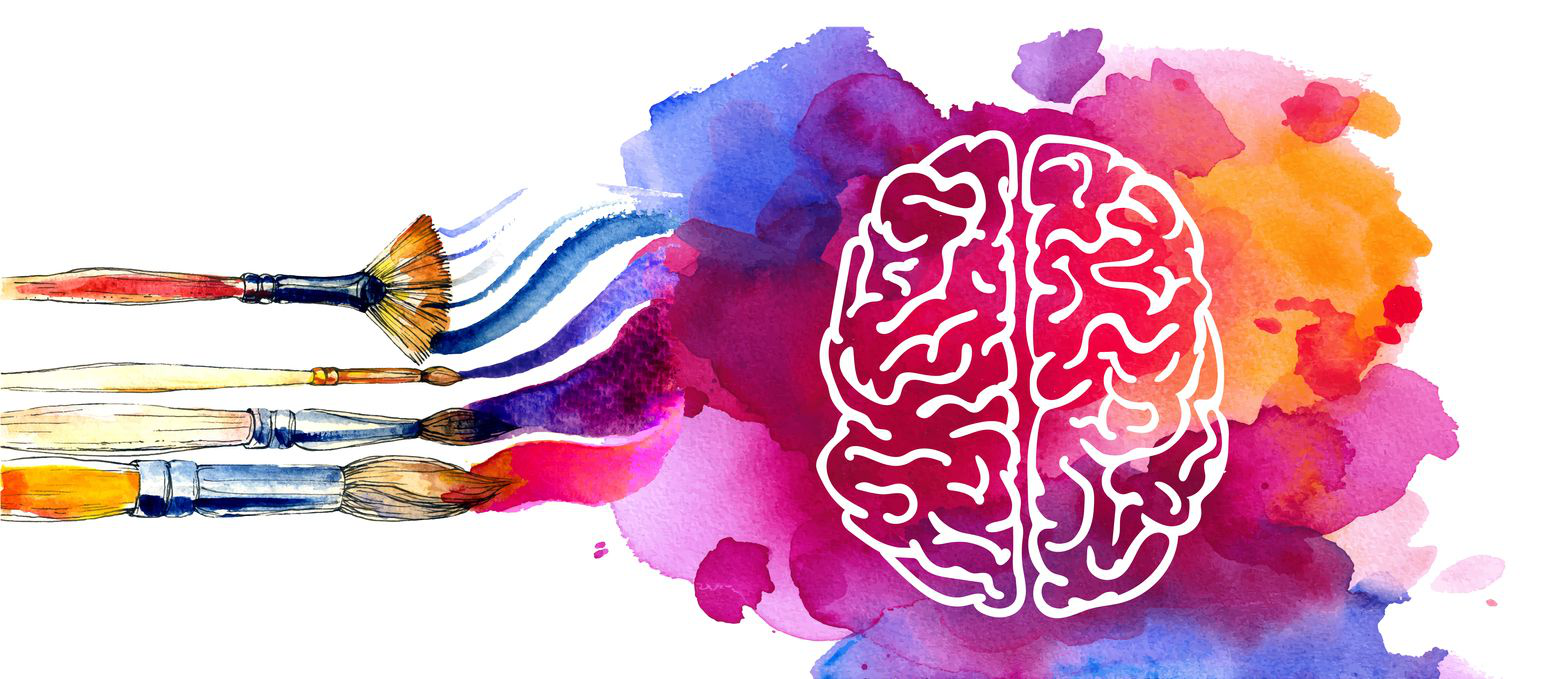
Art education does not only teach creative skills — it is also a space where children and adolescents can express emotions that ordinary language sometimes cannot capture. When they draw, write, perform or make something with their own hands, young people get a chance to process emotions, relieve stress and build a sense of self-mastery — foundational elements of healthy mental well-being. In a context where screens and social media increasingly crowd out real experiences, art offers a deep, intentional form of presence — a necessary counterweight to the digital world that dominates young people's lives.

Reading is one of the least expensive activities yet brings some of the most far-reaching benefits for the brain — from expanding vocabulary and strengthening focus, to developing critical thinking and imagination. Especially for a generation growing up in a digital environment, the reading habit is also an intentional form of "screen detox" — letting the brain rest from the constant stimulation of social media and recover the deep focus that is gradually being eroded.

Science education awakens something immensely precious in young people: curiosity. When a child asks "why?" and is guided to find the answer themselves, they not only learn about the natural world but also experience the pure joy of discovery — a feeling far deeper and more lasting than the instant stimulation social media provides. Science also teaches children to face an uncertain future with composure: that failure is part of the process, that the question matters more than the answer — thinking lessons that build strength of will.
Have a question, a partnership idea, or want to join the initiative? Connect with Z & Alpha.