
The complete rewiring of childhoodin the digital age
The Great Rewiring of Childhood
As children move from an experience-based childhood to a screen-based one, their entire developmental environment has been rewired. This is the context, the problem, and the solution direction that the Z & Alpha Initiative pursues.
A childhood, rewired

In a 2024 study analysing the impact of social media and smartphones on the psycho-social development of children and adolescents in the US and other developed countries, Jonathan Haidt — Professor of social psychology at NYU's Stern School of Business and PhD in social psychology from the University of Pennsylvania — introduced the concept of “The Great Rewiring of Childhood”: a complete restructuring of childhood as children shift from a development environment grounded in real-world experience to one mediated through screens.
Vietnam is among the countries where this “rewiring of childhood” is unfolding extremely fast: social-media use among young people is near-universal, with heavy dependence on mobile devices. Three defining traits of the digital environment Vietnam's young generation is growing up in:
Always-on connectivity
Kết nối liên tục
Digital-first social interaction
Tương tác qua nền tảng số
Blurred digital–physical boundaries
Ranh giới thực – ảo ngày càng mờ
Vietnam's context clearly reflects the broader trends and problems Haidt describes. The digital environment, together with the characteristics of a “mobile-first” society, creates multi-dimensional effects on children. Not only the content they encounter, but also the way technology companies design the social-media ecosystem, is a key factor shaping their behaviour, psychology and social development.
Direct effects of social media
Attention fragmentation (phân mảnh sự chú ý)
Decline in in-person interaction (play-based to phone-based childhood)
Anxiety and social comparison (social comparison, anxiety)
Lack of protection in the digital world (overprotected offline – underprotected online)
Indirect effects of social media
Provides ideal infrastructure for fraudulent behaviour (social media as risk infrastructure)
Enables psychological manipulation of users (psychological manipulation in scams)
A digital-literacy gap between knowing how to use and knowing how to protect oneself (digital literacy gap)
“A childhood lived on a screen cannot nurture a healthy, fully developed human being.”— Jonathan Haidt
Challenges in responding to mental health issues
Challenges in responding to mental health issues

The challenge of social media's business model
Social media does not compete on content — users' “attention” is the resource being exploited. Children, whose brains have not yet developed full attentional self-control, become the “optimisation target”, easily steered by this business model. This produces many long-term consequences for the brain development and mental health of the young generation.

The challenge of social cooperation
Many people see the problem and feel something is wrong and needs to change, yet no one dares to change alone for fear of disadvantage if others don't follow, or of criticism. The clearest example is parents: they clearly see social media's harm to their children, yet for many reasons still allow them to use it. In Vietnam, where parents have a strong sense of social competition, this challenge is even more pronounced.
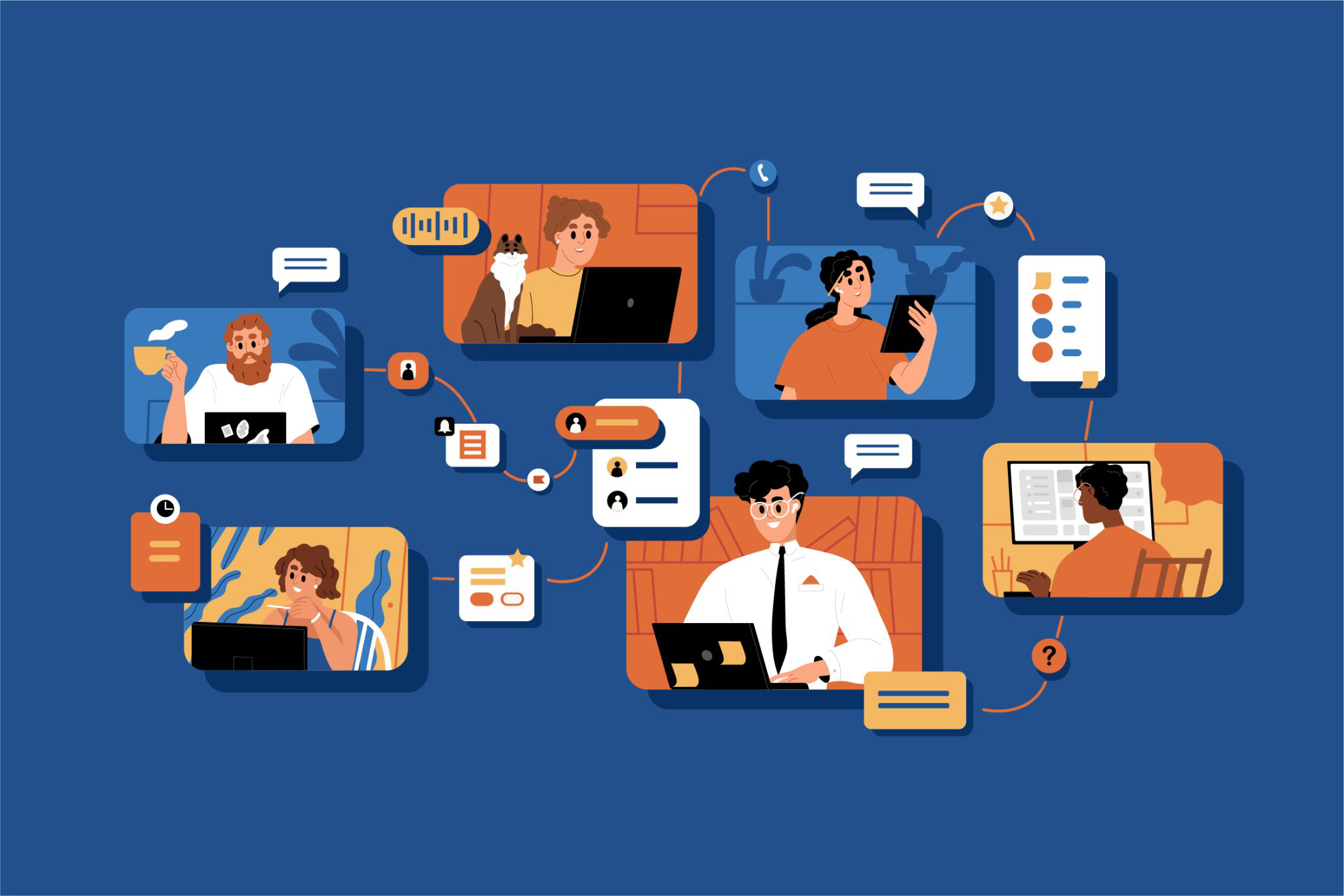
The challenge of governance & digital-skill provisioning
Given the nature of social media, teaching young people merely to “know how to use it” is not enough. Even those who “know how to use it” can still become addicted, and can still fall into traps of psychological and behavioural manipulation. We therefore need to broaden the concept of “digital skills” beyond knowledge or technique, coordinated with synchronised governance mechanisms and policy regulation.
“We are overprotecting children in the real world while underprotecting them online.”— Jonathan Haidt
Solution architecture
Solution Architecture
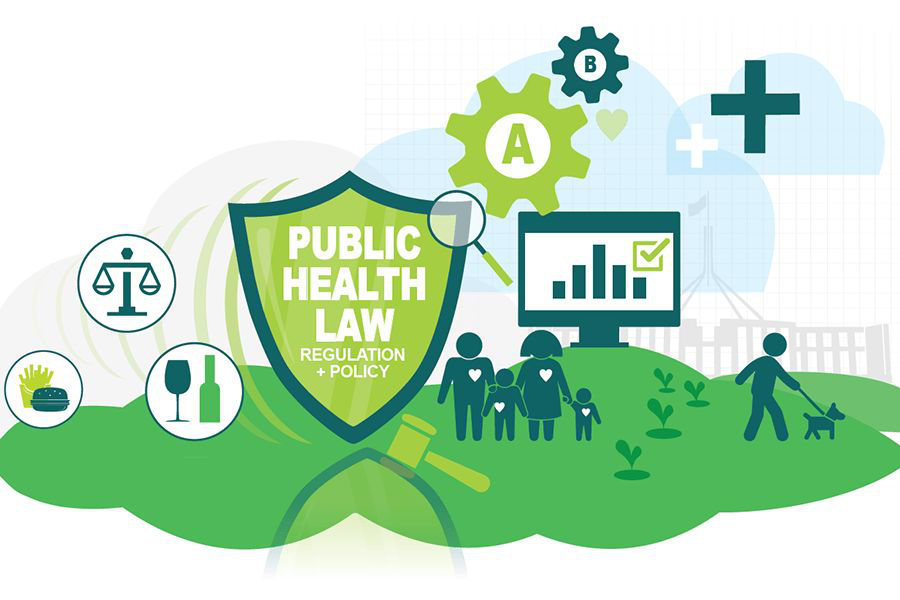
Establish regulation and policy
Solving the problems caused by social media cannot rest solely on each child learning to limit their own use, or on parents spending more time managing their children's time online — still less on expecting platform companies to throttle their own money-making machines. It must originate from regulation and policy set by state authorities, coordinated enforcement and oversight through educational institutions, combined with guidance and mentoring from parents.
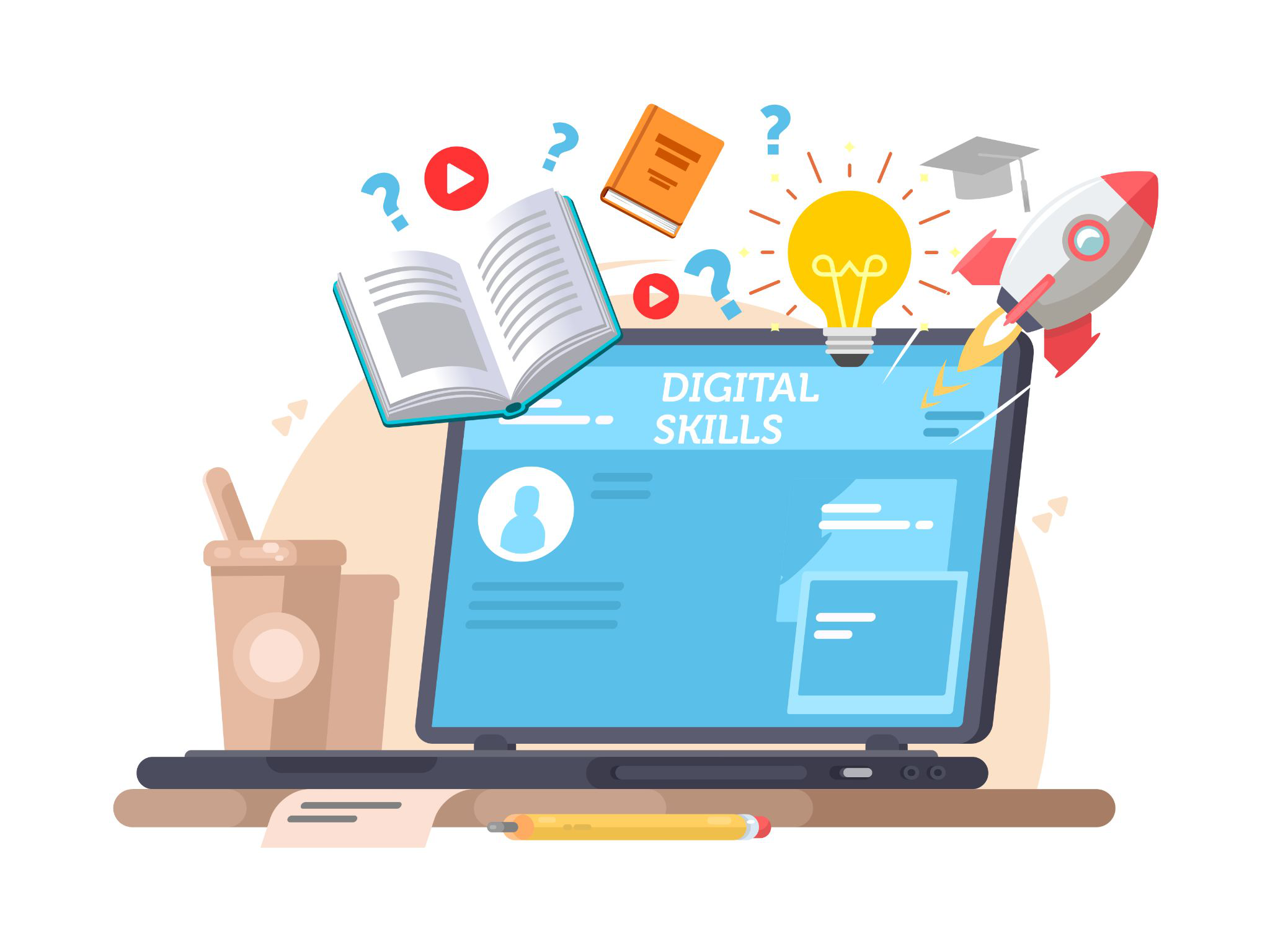
Make “digital skills” a core competency
“Digital skills” — including how to use, and how one should use, social media — should be classified as essential competencies, provided to adolescents through family, school and society. Even parents, who belong to a generation that grew up without social media, should be encouraged to learn and absorb this knowledge so they can accompany their children toward healthy growth in today's digital world.
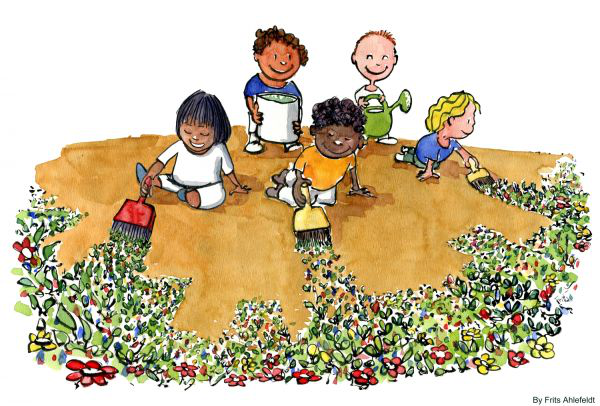
Redesign the development environment
The problem social media brings does not come from any single platform — we are facing the fact that the entire “ecosystem of childhood” has changed. To resolve the mental-health crisis while keeping the benefits social media offers, we must redesign the educational, play and family environments. Children develop healthily through free play, social interaction within safe bounds, face-to-face communication and encouraged independent exploration.
“Children grow up through experiences in the real world.”— Jonathan Haidt
Get in touch
Have a question, a partnership idea, or want to join the initiative? Connect with Z & Alpha.